

In the ever-evolving landscape of the business world, 2023 was a year of significant transformation.
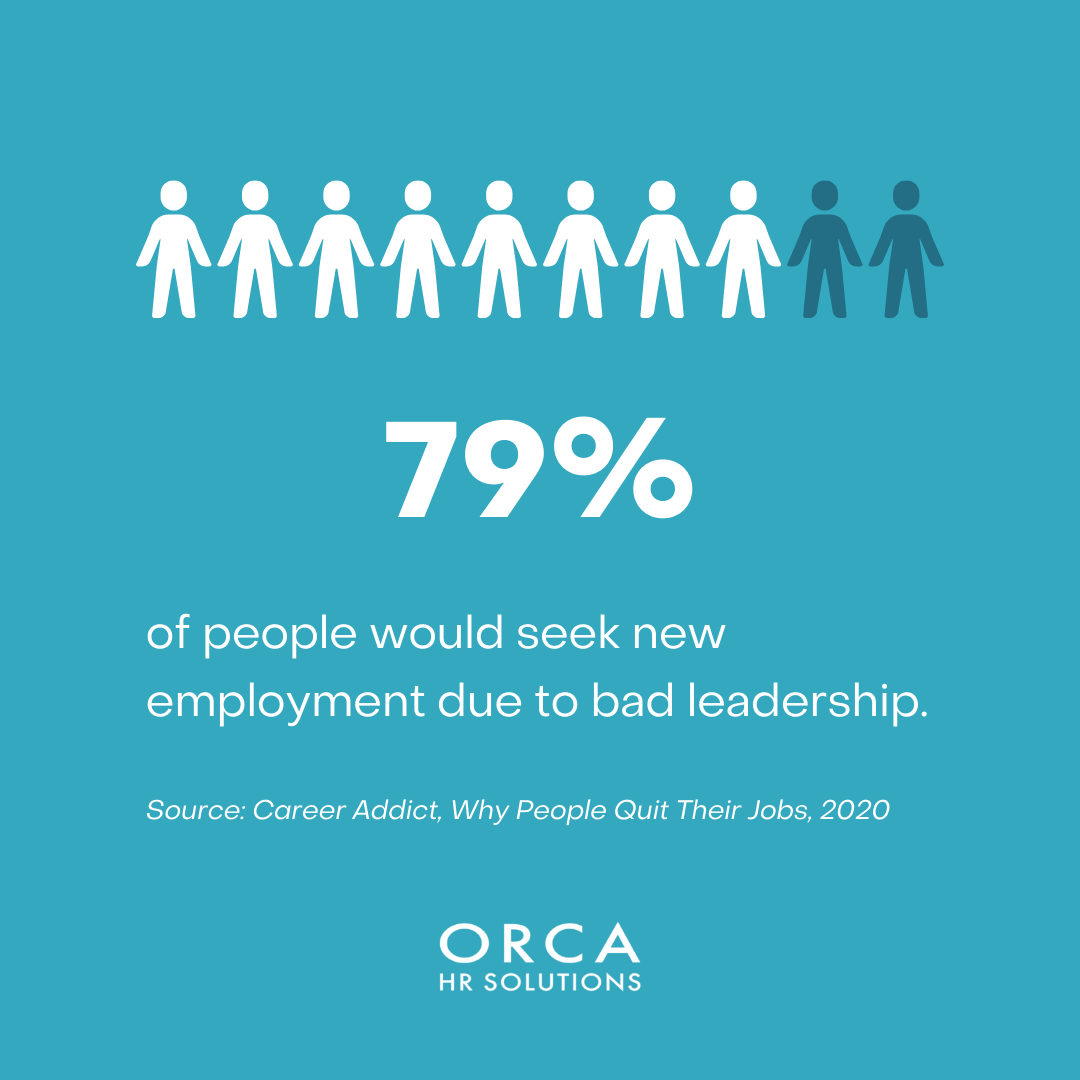
While ‘The Great Resignation’ might be officially over, those working in HR and Leadership Development heard its echoes until 2023. A staggering 79% of people would seek new employment due to bad leadership, according to a 2020 survey by Career Addict, ‘Why People Quit Their Jobs.’ Additionally, according to The Society for Human Resources Management’s (SHRM) 2019 report, The High Cost of a Toxic Workplace Culture, employee turnover has created a loss of $223 billion in the U.S. over five years. These stats are not just a wake-up call, but a stark reminder to rethink how companies hire, nurture, and manage leaders.
Poor leadership isn’t the only difficulty; 2023 presented HR with various challenges. HR teams grappled with many complex tasks from attracting suitable talent and strengthening employee-manager relations to re-engaging the workforce, adjusting to a hybrid work model, skill-building, working on DEI initiatives, and more. These challenges underscored the need for HR to be more adaptable, strategic, and empathetic than ever before, playing a vital role in shaping the future of work in a rapidly changing business landscape.
2023 was the time when rapid changes took place in the business world, teaching companies the importance of agility and innovation in HR practices, alongside the critical role of leadership in steering teams through change. Leaders showed resilience and innovation by embracing unprecedented challenges and reinventing strategies to nurture an evolving workforce in a changing economic state. But there’s more to do in the coming years to achieve a robust and adaptive organizational environment. Reflecting on these insights, let’s delve into the key lessons learned in HR and Leadership Development 2023 and the emerging trends for 2024 that are shaping a new era in HR and leadership development.
Key Lessons Learned in Leadership & HR in 2023
2023 was a year of challenges for HR and Leadership sectors and reshaped organizational strategies’ future. Here are some lessons learned over the past year.
1. The Continuation of Hybrid Culture
Remote and hybrid work models continued until 2023, teaching organizations the importance of flexibility in work arrangements. While HR teams reworked their policies and learned innovative ways of remote hiring, leaders focused on developing cohesive teams and effective communication for enhanced productivity and success.
2. Employee Well-Being
Employee well-being directly impacts employee productivity and retention. According to the American Psychological Association’s ‘2023 Work in America Survey’, 92% of workers said it is very (57%) or somewhat (35%) important to work for an organization that values their emotional and psychological well-being. Leaders prioritizing mental well-being and destigmatized mental health discussions cultivated a more supportive and empathetic workplace culture, leading to higher employee engagement, loyalty, and overall organizational health.
3. Agile and Resilient Leaders
The unpredictable business environment highlighted leaders’ need to be agile, resilient, and adaptable to overcome challenges and boost team morale. Companies understood the importance of agile and resilient leaders and worked with the HR teams to develop training programs focused on building leaders who could adapt to changing environments, think strategically under pressure, and bounce back from challenges.
4. Cultural Fit
More than skills and experience, companies learned that aligning a candidate with the company values and culture is necessary in the changing business world.
5. Diversity and Inclusivity
HR and leadership recognized the importance of fostering employee diversity and inclusivity. This involved unbiased hiring practices, and leadership approaches that embraced varied perspectives and backgrounds.
HR and Leadership Development Trends for 2024
1. Remote and Hybrid Work Model to Continue
2024 will reshape the business world as organizations develop adaptive and innovative strategies to ensure that HR and leadership align well with the needs of the organization and the employees. Here are some pivotal trends to redefine how organizations operate and lead in this exciting new chapter on their path to success.
According to a 2023 Bankrate survey, 89% of the workforce prefers 4-day workweeks, remote work, or hybrid work, indicating that hybrid or remote work has become the new normal and organizations must adapt to this change. HR and leaders must invent ways to build cohesive teams that can work collaboratively, irrespective of their geographical location. They need to establish robust ways of communication besides creating a work environment that makes employees feel valued and supported.

2. Data-Driven Hiring
Besides substantial financial setbacks, a poor hire leads to decreased productivity, lower employee morale, and high employee turnover, which affects the organization in the long run. In 2024, organizations need to focus on data-driven hiring that takes a comprehensive approach to talent acquisition. With insights, HR leaders can align candidates with organizational values, culture, and the required skills and eliminate any likelihood of bias, ensuring an efficient and robust search process.
3. Use of Technology
Technologies like Artificial Intelligence and Machine Learning pave the way for HR and leadership. Gartner’s report, AI in HR: The Ultimate Guide to Implementing AI in Your HR Organization, says, “81% of HR leaders have explored or implemented AI solutions to improve process efficiency within their organization.” HR and leaders can use AI and ML to enhance recruitment strategies, analyze employee performance, personalize learning programs, optimize talent management, and predict employee success within the organization, besides other tasks.
4. Robust Hiring Process
Evolving skill shortages, candidate experience and expectations, changing workforce demographics, low retention and high turnover rates, and economic and political uncertainties are some of the reasons talent acquisition is a challenge in 2024. An inefficient hiring process negatively impacts employee morale, team dynamics, productivity, and overall organizational efficiency, which is why a robust hiring process is paramount in the highly competitive business world to ensure the attraction and retention of top talent, alignment with organizational goals, and long-term success.
5. Leadership Development
Gartner’s 2023 survey and report, Top 5 HR Trends and Priorities for 2024 says one of the top two priorities for HR leaders in 2024 is leader and manager development. HR expects front-line managers to guide teams to success through evolving business challenges, especially when teams are geographically distributed.
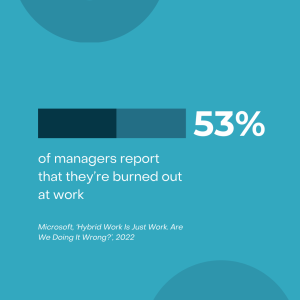
However, the pressure to lead and guide a whole team toward success, the fear of failure, and the pressure to perform create a feeling of self-doubt among the leaders, leaving them vulnerable to anxiety and burnout. 53% of managers report that they’re burned out at work, according to 2022 research from Microsoft, ‘Hybrid Work Is Just Work. Are We Doing It Wrong?’, which surveyed 20,000 people in 11 countries.
These insights and stats are why training and leadership development are necessary in any corporate setting. Yet many companies are undervaluing development programs with a 2018 study from West Monroe Partners, ‘Companies are Overlooking a Primary Area for Growth and Efficiency: Their Managers,’ stating that “59 % of managers overseeing 1 to 2 people receive no managerial training at all, along with a significant 41% of those who oversee 3 to 5 people.”
The study also states that new managers often mimic their previous bosses when there is no formal training. In fact, “42% of new managers developed their management style through observing a previous manager, rather than through formalized training.”
In 2024, HR teams need to ensure leadership development within the organization so that leaders and front-line managers are equipped with skills to manage stress while effectively guiding their teams through the complexities of the modern business environment.
6. Upskilling
In a rapidly shifting world, employees and their leaders must stay ahead of the curve and learn new skills. With the advancement of technology, there’s so much to learn and do efficiently and effectively. Teams must focus on digital competency, critical thinking, and adaptability to new technologies and work models.
ORCA’s SMARTHIRING© and Manager Academy© for Organizational Success
ORCA’s SMARTHIRING© is a comprehensive hiring strategy that combines objective methodologies with science-based tools to ensure your hiring decisions are grounded in data-driven insights.
ORCA’s Manager Academy© analyzes the effectiveness of leadership and managers in your organization and helps design customized programs to work on competencies and capabilities. This may include 1-on-1 executive coaching, leadership assessments, team coaching, and training for forward progress.
With our programs, we help organizations meet the evolving needs of the business world, fostering a skilled, adaptable workforce and ready for the challenges ahead.